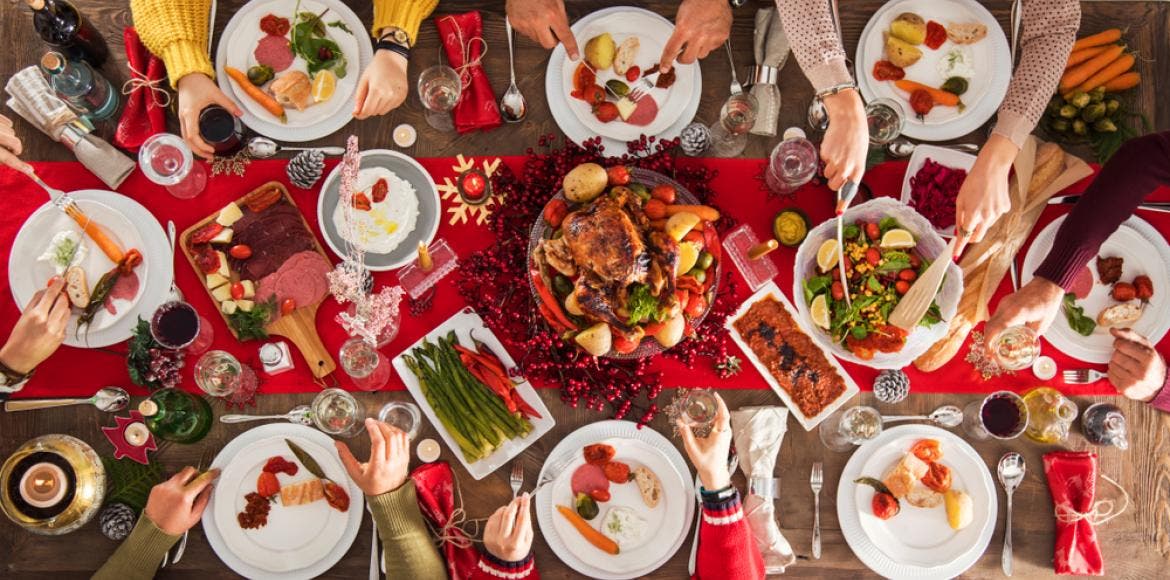
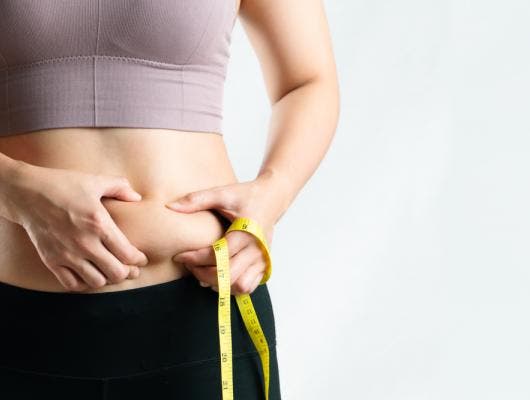
Comment éviter de grossir pendant les fêtes

Actualité

La période des fêtes est généralement synonyme de repas riches et copieux, dont il est souvent difficile de s’affranchir. Comment traverser cette saison festive en profitant de la présence de sa famille et de ses amis, sans accumuler de kilos superflus ?

Dans les pays développés, les fêtes de fin d'année seraient responsables d’au moins la moitié du gain de poids moyen d'un adulte (1 kg par an) selon plusieurs études. « Cinq cents...

  1. Schoeller. The effect of holiday weight gain on body weight. Physiol Behav. 2014.
  2. Lakka et Bouchar. Physical Activity, Obesity and Cardiovascular Diseases. Handbook of Experimental Pharmacology. 2005.
  3. Stevenson et al. Effects of exercise during the holiday season on changes in body weight, body composition and blood pressure. Eur J Clin Nutr. 2013.
  4. Schroor et al. Effects of Intermittent Energy Restriction Compared with Those of Continuous Energy Restriction on Body Composition and Cardiometabolic Risk Markers – A Systematic Review and Meta-Analysis of Randomized Controlled Trials in Adults. Advances in Nutrition. 2024.
  5. Hirsh et al. Avoiding holiday seasonal weight gain with nutrient-supported intermittent energy restriction: a pilot study. J Nutr Sci. 2019.
  6. Wien et al. A randomized 3x3 crossover study to evaluate the effect of Hass avocado intake on post-ingestive satiety, glucose and insulin levels, and subsequent energy intake in overweight adults. Nutr J. 2013.
  7. Weigle et al. A high-protein diet induces sustained reductions in appetite, ad libitum caloric intake, and body weight despite compensatory changes in diurnal plasma leptin and ghrelin concentrations. Am. J. Clin. Nutr. 2005.
  8. Scully et al. Plant protein influence on appetite and food intake in healthy subjects. Proc. Nutr. Soc. 2017.
  9. Astrup et al. Atkins and other low-carbohydrate diets: hoax or an effective tool for weight loss? Lancet. 2004.
  10. Dunn et al. Mindfulness Approaches and Weight Loss, Weight Maintenance, and Weight Regain. Psychological Issues. 2018.
  11. Al Khatib et al. The effects of partial sleep deprivation on energy balance: a systematic review and meta-analysis. Eur J Clin Nutr. 2016.
  12. Hall et al. Ultra-Processed Diets Cause Excess Calorie Intake and Weight Gain: An Inpatient Randomized Controlled Trial of Ad Libitum Food Intake. Cell Metabolism. 2019.
  13. Forde et al. Ultra-Processing or Oral Processing? A Role for Energy Density and Eating Rate in Moderating Energy Intake from Processed Foods. Curr Dev Nutr. 2020.
  14. Sørensen et Astrup. Eating dark and milk chocolate: a randomized crossover study of effects on appetite and energy intake. Nutr Diabetes. 2011.
  15. Zhang et al. Self-weighing in weight management: a systematic literature review. Obesity. 2015.
  16. Olson et al. Strategies to manage weight during the holiday season among US adults: A descriptive study from the National Weight Control Registry. Obes Sci Pract. 2020.

Cet article est réservé aux abonnés

Déjà abonné ?

Retrouvez la suite de votre article en vous connectant à votre espace personnel.

Je m'identifie
Pas encore abonné ?

Accédez à des articles et conseils exclusifs en vous abonnant pour seulement 39 € / an.

Je m'abonne
Publicité

La sélection

Publicité

Les meilleurs livres des éditions Thierry Souccar sélectionnés par la rédaction.

Découvrir la boutique logo Nutrivi

A découvrir également

Back to top